
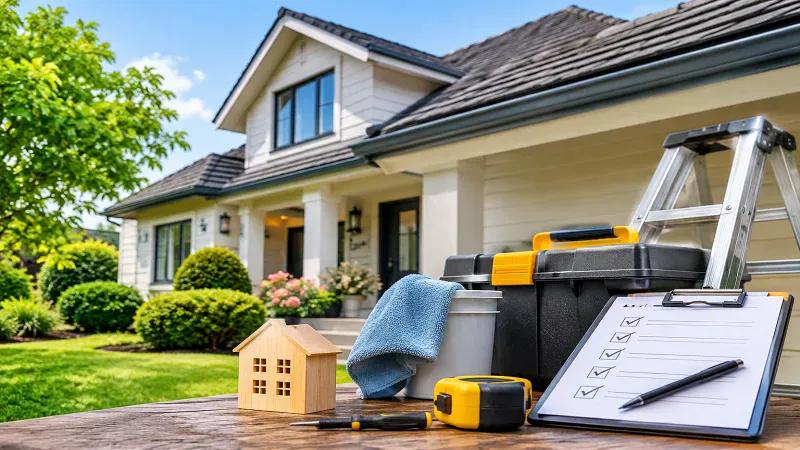
A home is one of the most valuable investments a person can make. It provides comfort, safety, and a place to relax with family. However, keeping a home in good condition requires regular care and attention. Small problems such as leaking taps, damaged paint, blocked gutters, and poor ventilation can become expensive repairs if they are ignored for too long.
Home preservation involves maintaining a property’s structure, appearance, and overall condition to keep it safe and functional. It includes routine cleaning, seasonal inspections, moisture control, and timely repairs. These tasks do not always require professional help, but they do require consistency and careful planning.
This home preservation guide livpristclean explains practical ways to maintain your property, prevent common damage, and create a cleaner, safer living environment. Whether you own a new house or an older property, simple maintenance habits can help protect its condition for years.
1. Understand the Importance of Home Preservation
Home preservation is more than keeping rooms clean and furniture organized. It involves looking after the different parts of a property so they remain safe and functional.
Regular maintenance offers several benefits:
- Avoids costly repairs: Identifying minor problems early can prevent them from developing into expensive damage.
- Protects property value: A well-maintained home generally remains more attractive to potential buyers.
- Improves safety: Regular inspections can identify electrical, structural, and plumbing concerns.
- Creates a healthier environment: Good ventilation and moisture control help reduce mold and dust.
- Extends the life of household materials: Proper care can protect floors, walls, fixtures, and appliances.
A consistent maintenance routine makes it easier to manage these responsibilities without feeling overwhelmed.
2. Create a Regular Home Maintenance Schedule
Creating a regular maintenance plan is a simple and effective way to keep your property in good condition. Without a plan, important tasks can easily be forgotten.
Divide your responsibilities into daily, weekly, monthly, and seasonal activities.
Daily tasks
- Wipe kitchen counters and clean up spills.
- Keep floors free from food crumbs and dirt.
- Put household items back in their proper places.
- Check for unusual leaks or odors.
Weekly tasks
- Clean bathrooms and kitchen surfaces.
- Vacuum carpets and rugs.
- Dust furniture and shelves.
- Empty waste bins and clean frequently used areas.
Monthly tasks
- Inspect visible plumbing connections.
- Clean appliance filters where appropriate.
- Check doors, windows, and locks.
- Look for signs of dampness or peeling paint.
Seasonal tasks
- Inspect the roof and gutters from a safe position.
- Check outdoor drainage.
- Examine heating and cooling systems.
- Prepare the property for changing weather conditions.
A written checklist can help you track completed tasks and remember upcoming maintenance.
3. Protect Your Roof and Exterior Walls
The roof and exterior walls protect your home from rain, wind, sunlight, and changing temperatures. Damage in these areas can allow water to enter the property and affect ceilings, insulation, and internal walls.
Check your roof regularly for any tiles that are missing, cracked, or loose. Look for signs of water damage on ceilings and upper walls, especially after heavy rain. If you notice a leak, arrange a suitable repair before the problem spreads.
Exterior walls should also be checked for cracks, damaged paint, and areas where water collects. Small surface cracks may be harmless, but larger or growing cracks need professional assessment.
Keep gutters and downpipes clear so rainwater can flow away from the building. Clogged gutters can cause rainwater to overflow, potentially damaging exterior walls and foundations.
Never climb onto a roof without suitable training and safety equipment. Use a qualified professional for repairs or inspections that involve working at height.
4. Control Moisture and Prevent Mold
Moisture is one of the most common causes of household damage. It can affect walls, ceilings, wooden furniture, flooring, and indoor air quality.
Bathrooms, kitchens, basements, and laundry areas often experience higher humidity. Good ventilation helps remove excess moisture before it causes problems.
Try these simple steps:
- Open windows when weather conditions allow.
- Use bathroom and kitchen extractor fans.
- Wipe water from shower walls and bathroom surfaces.
- Repair leaking taps and pipes promptly.
- Avoid drying large amounts of laundry in poorly ventilated rooms.
- Keep furniture slightly away from cold exterior walls where possible.
Watch for warning signs such as musty smells, condensation, dark spots, or peeling wallpaper. If mold covers a large area or keeps returning, investigate the source of moisture and consider professional help.
The home preservation guide livpristclean approach emphasizes dealing with moisture problems early rather than simply covering visible stains with paint.
5. Maintain Plumbing and Drainage Systems
A properly working plumbing system is essential for everyday comfort. Even a small leak can waste water and gradually damage cabinets, floors, and walls.
Check taps, sinks, toilets, and exposed pipes for dripping water or unusual sounds. Look under kitchen and bathroom sinks for damp areas. If you notice a leak, arrange a repair as soon as possible.
Avoid pouring cooking grease, coffee grounds, or large food particles down kitchen drains. These materials can collect inside pipes and cause blockages.
For bathroom drains, remove visible hair and debris regularly. Use drain covers where practical to reduce the amount of material entering the pipes.
Know where your main water shut-off valve is located. This can help you respond quickly if a pipe bursts or a serious leak occurs.
For persistent blockages, damaged pipes, or plumbing work beyond your experience, contact a qualified plumber.
6. Keep Electrical Systems Safe
Electrical maintenance should always be handled carefully. Damaged wiring, overloaded sockets, and faulty appliances can create serious safety risks.
Check visible plugs, cables, and sockets for signs of damage, discoloration, or overheating. Avoid using electrical equipment with exposed wires or broken parts.
Do not overload extension leads or connect too many high-powered appliances to one outlet. Keep electrical devices away from water, especially in kitchens and bathrooms.
If lights flicker repeatedly, circuit breakers trip frequently, or you notice a burning smell near an outlet, stop using the affected equipment and contact a qualified electrician.
Never attempt electrical repairs unless you have the required knowledge and qualifications. Professional inspections are especially important in older properties.
7. Care for Floors, Walls, and Interior Surfaces
Interior surfaces experience daily wear from furniture, shoes, spills, pets, and household activities. Regular cleaning and gentle maintenance can help them last longer.
For hard floors, use cleaning products suitable for the material. Avoid excessive water on wood or laminate flooring because moisture can cause swelling and damage.
Vacuum carpets regularly to remove dust and loose dirt. Clean spills promptly using the recommended method for the carpet material.
Walls can be maintained by removing marks with a suitable soft cloth and gentle cleaner. Test cleaning products on a small hidden area before using them across a larger surface.
Check around doors, windows, and skirting boards for cracks or gaps. Repairing minor damage can improve appearance and help prevent drafts.
8. Maintain Windows and Doors
Windows and doors play an important role in home security, insulation, and ventilation. Damaged seals or loose fittings can allow outside air and moisture to enter.
Check window frames for cracks, peeling paint, and signs of water damage. Clean window tracks so doors and windows can open and close smoothly.
Inspect weatherstripping around doors and windows. Replace worn seals when necessary to reduce drafts.
Make sure locks, handles, and hinges work properly. Tighten loose screws where appropriate, and use a suitable lubricant on stiff hinges.
If a window is cracked or a door frame is seriously damaged, arrange a proper repair rather than relying on a temporary fix.
9. Protect Your Home from Seasonal Weather
Different seasons bring different maintenance challenges. Preparing your property in advance can reduce the risk of weather-related damage.
During spring: Check for winter damage, inspect gutters, clean outdoor areas, and look for signs of dampness.
During summer: Check ventilation, inspect outdoor paintwork, and make sure drainage areas remain clear.
During autumn: Remove fallen leaves from gutters and drains. Check doors and windows for drafts before colder weather arrives.
During winter: Protect exposed pipes from freezing where relevant, check heating equipment, and look for signs of roof leaks after storms.
These tasks can be adjusted according to your local climate. Properties in areas with heavy rainfall, high humidity, or extreme temperatures may need more frequent inspections.
10. Keep Your Home Clean and Organized
Cleaning and organization support long-term property care. Dust, clutter, and neglected household areas can hide maintenance problems and make it harder to notice damage.
Clean frequently used surfaces regularly and avoid allowing waste to collect indoors. Store cleaning products and tools safely, away from children and pets.
Keep storage areas organized so you can inspect walls, floors, and corners easily. Avoid placing heavy items where they could damage shelves or create safety risks.
Pay attention to less-used spaces such as garages, attics, cupboards, and utility rooms. These areas can develop leaks, pests, or moisture problems without being noticed.
A clean and organized property is easier to inspect and maintain.
11. Check for Pests and Structural Problems
Pests can damage wood, insulation, stored belongings, and food supplies. Regular inspections can help identify signs of activity before an infestation becomes serious.
Look for droppings, damaged packaging, unusual noises, or small holes around walls and floors. Keep food in sealed containers and remove rubbish regularly.
Seal suitable gaps around pipes and exterior openings to reduce possible entry points. However, do not block ventilation openings that are necessary for safe airflow.
Also watch for structural warning signs such as widening cracks, uneven floors, sticking doors, or repeated water damage. These issues may have several causes and should be assessed by a qualified professional when necessary.
12. Plan a Home Preservation Budget
Home maintenance becomes easier when you set aside money for routine care and unexpected repairs.
Start by listing regular expenses such as cleaning supplies, filter replacements, minor repairs, and seasonal maintenance. Then create a separate emergency fund for larger problems involving plumbing, roofing, or electrical systems.
Prioritize repairs according to safety and urgency. A serious water leak or electrical fault should be addressed before a minor cosmetic issue.
Keep receipts, inspection notes, and records of completed repairs. These documents help you understand your property’s maintenance history and plan future work.
The home preservation guide livpristclean method is based on regular attention, sensible budgeting, and dealing with problems before they become costly.
13. Common Home Preservation Mistakes to Avoid
Even homeowners who care about their properties can overlook important details. Avoid these common mistakes:
- Ignoring small leaks or damp patches.
- Delaying repairs until damage becomes visible.
- Using harsh cleaning products on delicate surfaces.
- Forgetting to clean gutters and drains.
- Blocking ventilation areas with furniture or storage.
- Attempting electrical or structural repairs without proper skills.
- Skipping regular inspections of less-used rooms.
Taking a few minutes to check your home regularly can prevent many of these problems.
Conclusion
Preserving a home requires regular attention, but it does not need to be complicated. Simple habits such as checking for leaks, cleaning gutters, maintaining ventilation, inspecting electrical equipment, and caring for interior surfaces can make a meaningful difference.
The best approach is to create a practical maintenance schedule, prioritize safety, and address small problems before they become major repairs. Keep records of your work and set aside a budget for both routine maintenance and unexpected issues.
Following this home preservation guide livpristclean can help you protect your property, maintain a comfortable living environment, and reduce avoidable repair costs. With consistent care and sensible planning, your home can remain safe, functional, and welcoming for many years.