
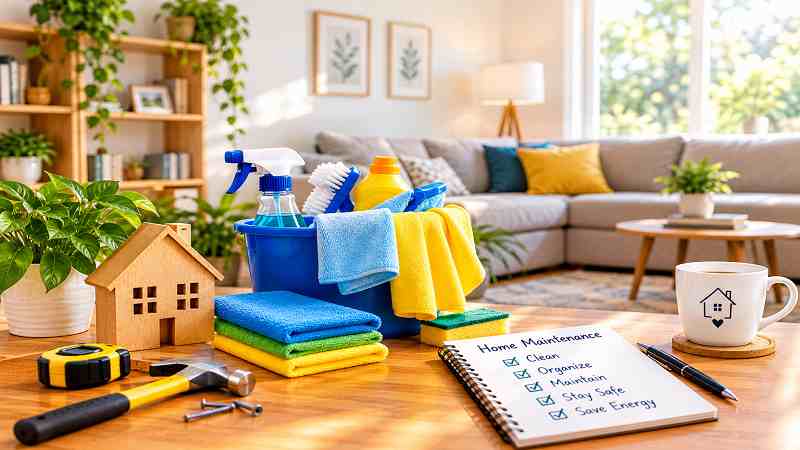
A comfortable home requires regular care, thoughtful organization, and simple maintenance habits. Whether you live in a small apartment or a large family house, keeping your living space clean and organized can improve your daily routine. Regular home care also helps protect your belongings, prevent avoidable repairs, and create a healthier environment for everyone.
Many homeowners believe that maintaining a house requires expensive equipment or professional services. However, small tasks performed consistently can make a significant difference. Cleaning floors, checking plumbing, organizing storage areas, and inspecting household equipment can prevent minor problems from becoming costly issues.
A practical approach to home care focuses on consistency rather than perfection. By creating a manageable routine and paying attention to important areas, you can maintain your property without feeling overwhelmed.
This guide explains essential home maintenance practices, effective cleaning methods, organization strategies, and ways to protect your property throughout the year.
1. Understand the Importance of Regular Home Maintenance
Regular maintenance keeps a home functional, comfortable, and visually appealing. More importantly, it helps homeowners identify potential problems before they require expensive repairs.
For example, a small water leak beneath a sink may appear harmless at first. However, if you ignore it, moisture can damage cabinets, encourage mould growth, and weaken nearby materials. Checking plumbing connections regularly allows you to address such problems earlier.
Similarly, cleaning gutters helps water drain away from the roof and foundation. Replacing damaged weatherstripping can reduce drafts and improve indoor comfort.
A consistent maintenance routine offers several benefits:
- It helps prevent avoidable damage.
- It helps create a cleaner, healthier, and more comfortable home environment.
- It can extend the life of household equipment.
- It makes cleaning and organizing easier.
- It helps homeowners plan repair expenses more effectively.
Therefore, treat maintenance as an ongoing responsibility instead of waiting until something breaks.
2. Create a Simple Cleaning Schedule
Cleaning becomes easier when you divide household tasks into manageable sections. Instead of attempting to clean the entire house in one day, establish a schedule that suits your lifestyle.
Daily Cleaning Tasks
Daily habits help prevent dirt and clutter from accumulating. Make your bed, wash used dishes, wipe kitchen counters, and return frequently used items to their proper places.
You should also clean spills immediately because dried stains often require more effort to remove. A quick evening tidy-up can make the following morning feel less stressful.
Weekly Cleaning Tasks
Set aside time each week to vacuum carpets, sweep or mop floors, clean bathroom surfaces, and change bedding. Dust furniture, wipe frequently touched surfaces, and empty household bins as needed.
You can spread these tasks throughout the week to make them easier to manage. For example, clean the bathroom on Monday, vacuum on Wednesday, and change bedding on Saturday.
Monthly Cleaning Tasks
Monthly tasks require a little more attention. Clean behind accessible furniture, inspect kitchen appliances, remove dust from vents, and organize crowded cupboards.
Check areas where dirt and moisture tend to collect, including window tracks, corners, and spaces beneath sinks.
A written schedule helps you remember important jobs and prevents small cleaning tasks from becoming overwhelming.
3. Keep Your Kitchen Clean and Functional
The kitchen often requires frequent attention because family members use it throughout the day. Food preparation, cooking, and washing dishes can quickly create mess and unpleasant odours.
Start by wiping counters after preparing meals. Clean cooking spills before they harden, and wash dishes regularly to prevent food residue from building up.
Next, organize cupboards so that frequently used ingredients remain easy to reach. Store dry foods in suitable, airtight containers and label them when necessary. Check expiration dates regularly and remove spoiled or unwanted items.
You should also clean refrigerator shelves and inspect stored food. Follow appliance manufacturers’ instructions when cleaning refrigerators, ovens, and other equipment.
Finally, maintain good ventilation while cooking. An extractor fan or open window, when appropriate, can help reduce moisture and cooking odours.
A clean kitchen supports safer food preparation and makes everyday cooking more enjoyable.
4. Maintain Bathrooms and Prevent Moisture Problems
Bathrooms need regular cleaning because moisture, soap residue, and mineral deposits can accumulate quickly. Without proper ventilation, persistent dampness may encourage mould growth.
Clean sinks, toilets, showers, and frequently touched surfaces according to the instructions for your cleaning products. Use suitable products for each surface because acidic cleaners, abrasive materials, and certain chemicals can damage some finishes.
After showering, remove excess water from suitable surfaces and allow the room to ventilate. Clean shower curtains or screens regularly, and inspect grout and sealant for cracks or deterioration.
Pay attention to unusual smells, loose fittings, and persistent damp patches. These signs may indicate a leak or ventilation problem.
Never ignore recurring moisture. If mould returns despite cleaning and improved ventilation, investigate the underlying cause. Significant mould growth or continuing water damage may require professional assistance.
5. Organize Your Garage and Storage Areas
Garages, basements, and storage rooms often become cluttered because people place unused belongings in these spaces without an organized system. Over time, finding tools, seasonal decorations, or household supplies becomes difficult.
Begin by removing items from one section at a time. Sort everything into categories such as tools, sports equipment, gardening supplies, seasonal decorations, and items for donation or disposal.
Next, create designated storage zones. Keep frequently used belongings accessible, while placing seasonal items in clearly labelled containers. Shelves and wall-mounted storage systems can help free up floor space.
Safety should remain a priority. Store chemicals according to their labels, keep sharp tools secure, and avoid blocking electrical panels, doors, or emergency exits. Heavy objects should sit on stable shelves rather than high storage levels.
You do not need to purchase expensive organizers immediately. Reusing suitable containers and making better use of existing shelves can provide a practical starting point.
6. Protect Floors, Furniture, and Household Belongings
Floors and furniture experience daily wear, so appropriate care can help preserve their appearance and useful life.
First, identify the material before choosing a cleaning product. Hardwood, laminate, tile, stone, and carpet require different care methods. Excess water can damage certain flooring materials, while unsuitable cleaners may leave marks or remove protective finishes.
Place doormats near entrances to reduce the amount of dirt brought indoors. Use furniture pads to help prevent scratches, and clean spills promptly.
For upholstered furniture, follow the manufacturer’s cleaning instructions. Vacuuming can remove dust and loose debris, while suitable spot-cleaning methods may address small stains.
Also, avoid exposing delicate furniture to prolonged direct sunlight when possible. Sunlight can fade fabrics and finishes over time.
Simple protective habits reduce everyday damage and help keep household belongings in good condition.
7. Check Plumbing, Electrical Systems, and Safety Equipment
Some home maintenance tasks protect the property, while others help safeguard the people living inside it.
Inspect visible plumbing for leaks, corrosion, or damaged fittings. Keep drains clear of materials that can cause blockages, and address slow drainage before it becomes a larger problem.
Electrical safety requires equal attention. Watch for damaged cables, loose outlets, flickering lights, or frequently tripping circuit breakers. Avoid carrying out repairs that exceed your skills or experience. Contact a qualified electrician when you notice potentially dangerous electrical problems.
Test smoke alarms and carbon monoxide alarms according to their manufacturers’ instructions and local safety recommendations. Replace batteries or units when necessary.
Keep fire extinguishers, first-aid supplies, and emergency contact information accessible where appropriate.
Never ignore warning signs simply because a system still appears to function. Early inspection and qualified repairs can reduce the risk of serious damage or injury.
8. Improve Energy Efficiency Around the House
Energy-efficient habits can reduce waste while improving indoor comfort. Fortunately, many improvements require only small changes to your routine.
Switch off lights when rooms are not in use, and consider replacing suitable older bulbs with energy-efficient alternatives. Choose appliances that meet your needs without consuming unnecessary energy.
Check doors and windows for drafts. Repairing suitable seals or weatherstripping can help maintain indoor temperatures. During warmer weather, use shading and ventilation where practical to reduce heat entering the house.
Clean appliance filters according to manufacturer guidance. For example, maintaining suitable ventilation and replacing heating or cooling filters when recommended can support efficient operation.
You should also review water usage. Repair dripping taps, install appropriate water-saving fittings, and avoid leaving water running unnecessarily.
Although individual changes may seem small, consistent habits can reduce resource consumption over time.
9. Prepare Your Home for Seasonal Changes
Every season creates different maintenance needs. Planning ahead helps you address them before extreme weather or changing temperatures create difficulties.
Spring
Inspect windows, doors, outdoor drainage, and accessible roof areas. Clean accumulated dust and review the condition of exterior paint, fences, and garden equipment.
Summer
Check ventilation and cooling equipment. Inspect outdoor spaces for damaged paving, standing water, and overgrown vegetation. Keep suitable supplies available for hot weather.
Autumn
Clear leaves from gutters where safe, inspect heating systems before colder weather, and seal suitable gaps around windows and doors. Store outdoor equipment properly.
Winter
Protect vulnerable pipes from freezing where relevant, check for drafts, and keep walkways clear of ice or snow if your climate requires it.
Seasonal inspections allow you to prioritize tasks according to weather conditions and the age of your property.
10. Manage Home Maintenance Costs
Home maintenance does not have to involve spending money on every possible improvement at once. A clear budget helps you prioritize essential work and avoid unnecessary purchases.
Start by listing current problems, upcoming maintenance tasks, and optional improvements. Address safety concerns, active leaks, electrical hazards, and structural problems before cosmetic changes.
Next, compare repair estimates when appropriate. Check what each estimate includes, and verify that contractors have suitable qualifications for the work involved.
You can handle simple tasks yourself when they fall within your skills and do not create safety risks. However, major electrical work, complex plumbing repairs, structural changes, and hazardous material removal may require qualified professionals.
Set aside a small amount regularly for unexpected repairs if your finances allow. Even a modest reserve can help you respond to problems without disrupting your entire household budget.
11. Build Habits That Keep Your Home Organized
Long-term organization depends more on consistent habits than on occasional deep cleaning.
Return items to their designated places after use. Before purchasing storage products, remove belongings you no longer need. Avoid keeping unnecessary items simply because you might use them someday.
You can also apply a simple rule: when you bring a new item into a crowded category, consider whether an older item can be donated, recycled, or discarded responsibly.
Encourage household members to participate in age-appropriate chores. Clear responsibilities make it easier to maintain shared spaces and prevent one person from managing every task.
The principles behind livpristhouse can be understood as a practical approach to maintaining a cleaner, safer, and more organized home through manageable routines. The most effective system is one that fits your household and remains easy to follow.
12. Create a Practical Home Maintenance Checklist
A checklist turns general advice into specific actions. Begin with a short list and expand it as you become more familiar with your property’s needs.
Your checklist might include:
- Clean kitchen counters and bathroom surfaces.
- Vacuum or mop floors as needed.
- Check visible plumbing for leaks.
- Test smoke and carbon monoxide alarms according to guidance.
- Check doors and windows for air leaks, wear, or signs of damage.
- Organize one storage area each month.
- Review cleaning supplies and safely dispose of unwanted products.
- Check outdoor drainage and accessible exterior areas.
- Schedule qualified repairs for problems you cannot safely handle.
Keep the checklist somewhere convenient, such as a household planner or maintenance notebook. Record completed tasks and note problems that need attention later.
You can also maintain a simple record of appliance purchases, repair dates, warranties, and professional inspections. These records help you plan future maintenance and understand recurring problems.
Conclusion
A well-maintained home does not require constant cleaning or expensive renovations. Instead, it depends on regular attention, thoughtful organization, and timely repairs.
By creating a realistic cleaning schedule, maintaining kitchens and bathrooms, organizing storage areas, protecting household belongings, and checking important safety systems, you can make your home more comfortable and functional.
Seasonal inspections and basic budgeting also help you prepare for future needs. Most importantly, focus on manageable tasks and build habits that fit your daily routine.
The practical approach associated with livpristhouse emphasizes consistency, prevention, and informed decisions. When you care for your home a little at a time, you can reduce avoidable problems and create a cleaner, safer, and more welcoming living environment.